Having an oily skin type is really frustrating. But you’re not alone.
According to dermatology statistics, nearly 40–55% of adults globally have oily or acne-prone skin, and for many, the problem persists well beyond their teenage years.
Excess oil doesn’t just affect appearance; it clogs pores, fuels breakouts, worsens texture, and makes makeup slide off within hours. What’s worse? Many people do everything right on the outside and still see no improvement.
For years, the skincare industry has focused almost entirely on topical solutions, cleansers, toners, serums, acids, and actives. While these absolutely matter, they may not be telling the whole story.
Because for many people, oily skin doesn’t fluctuate randomly. It flares after certain meals, worsens during specific lifestyle phases, and seems suspiciously tied to daily habits that have nothing to do with skincare bottles.
Two everyday dietary staples, sugar and dairy, have quietly been questioned in scientific circles for years. They’re deeply woven into modern diets, heavily consumed worldwide, and often considered harmless, even comforting. Yet researchers keep circling back to them when studying oil production, inflammation, and breakouts.
The TRUTH
And here’s the truth most people aren’t told upfront:
Yes, sugar and dairy can affect skin health, and for many people, they can make oily skin noticeably worse.
Studies involving thousands of people show that diets high in sugar and dairy often correlate with skin problems, including oily skin and acne breakouts. In a 2020 French study of over 24,000 participants, researchers found that high-sugar foods and cow’s milk consumption were linked to increased acne, even when adjusting for other factors like total calorie intake, suggesting that sugar and dairy may influence skin health more than previously thought.
In this article, we’ll break down how and why that happens, what science really says, who is most affected, and most importantly, what you can do about it without extreme dieting or deprivation.
Understanding Oily Skin: What’s Really Happening
Oily skin occurs when the sebaceous glands in your skin produce excess sebum, a natural oil designed to protect and lubricate the skin barrier.
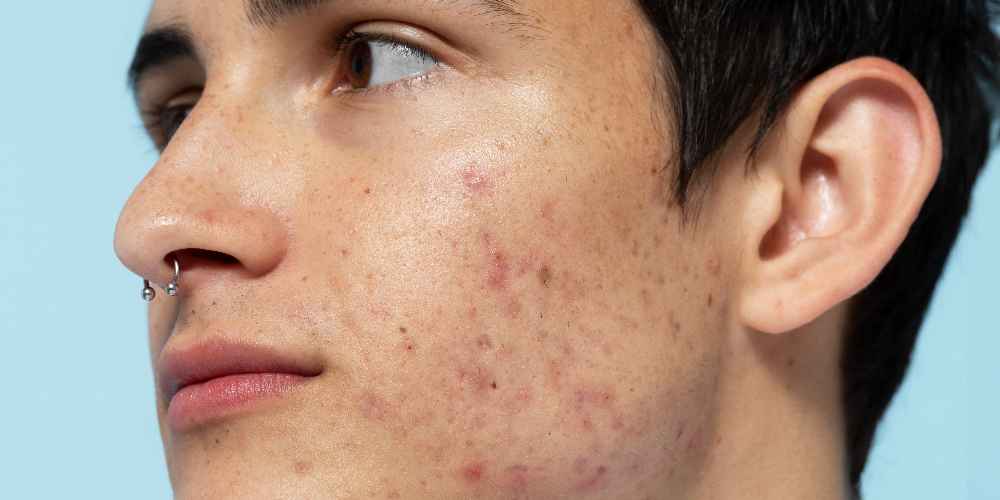
Sebum itself is not the enemy. In fact, it helps:
- Prevent moisture loss
- Protect against environmental damage
- Support the skin’s microbiome
The problem arises when sebum production goes into overdrive.
Some of the key factors that influence oil production are:
- Hormones (especially androgens)
- Genetics
- Stress levels
- Climate and humidity
- Skincare habits
- Diet and metabolic responses
While genetics set the foundation, lifestyle factors, including what you eat, can significantly influence how oily your skin becomes.
Related Post: How to reduce sebum production? A comprehensive guide
The Sugar Connection: How it affects oily skin
When you consume foods high in refined sugar or high-glycemic carbohydrates (white bread, sweets, sugary drinks), your blood sugar spikes rapidly. This triggers a surge of insulin, a hormone responsible for regulating glucose levels.

Elevated insulin doesn’t just affect blood sugar; it also influences hormones that regulate oil production.
One key player is IGF-1 (Insulin-Like Growth Factor-1).
Research shows that IGF-1:
- Stimulates sebaceous glands
- Increases sebum production
- Encourages skin cell overgrowth (leading to clogged pores)
- Promotes inflammation
In simple terms, high sugar intake can indirectly tell your skin to produce more oil.
Excess sugar also contributes to a process called glycation.
Glycation occurs when sugar molecules bind to proteins like collagen and elastin. This:
- Weakens skin structure
- Increases inflammation
- Impairs skin repair
- Makes pores appear larger and oil more visible
Chronic inflammation is one of the biggest drivers of oily, acne-prone skin, and high sugar diets keep inflammation elevated.
The Dairy Connection: How it affects oily skin
Dairy is one of the most controversial foods in skincare, and for good reason.

Why Dairy is different from other foods
Milk is biologically designed to stimulate growth. To do that, it naturally contains:
- Hormones
- Growth factors
- Bioactive molecules
Even pasteurized milk still influences hormonal signaling in the body.
Several studies suggest that dairy consumption may:
- Increase IGF-1 levels
- Influence androgen activity
- Stimulate sebaceous glands
This hormonal effect is why dairy is often linked to acne and increased oiliness, especially in people who are already prone to oily skin.
Is all dairy problematic?
Not necessarily.
Research suggests that skim and low-fat milk show stronger associations with acne.
Fermented dairy (like yogurt or kefir) may be less problematic for some people due to probiotics.
Cheese and butter show mixed results
This means individual response matters greatly.
Related Post: Does Dairy Cause Pimples? The Surprising Link Between Dairy and Skin Health
The Combined Effect
When sugar and dairy are consumed together (think desserts, milkshakes, pastries), their effects may compound:
- Sugar spikes insulin
- Dairy increases IGF-1
- Both stimulate oil production
- Both promote inflammation
For oily-skin individuals, this combination can significantly worsen shine, clogged pores, and breakouts.
Skin-Friendly Substitutes for Sugar
Eliminating sugar and dairy completely isn’t realistic or necessary for most people. The real goal is to reduce the types and forms that disrupt oil balance and replace them with alternatives that are gentler on your skin, hormones, and metabolism.
When chosen wisely, substitutes can help stabilize blood sugar, reduce inflammation, and support healthier sebum regulation, without sacrificing taste or satisfaction.
Whole Fruits: Whole fruits are one of the most effective natural alternatives because their sugar content is balanced by fiber, antioxidants, and water. This combination slows glucose absorption, reducing the hormonal response that often worsens oily skin. Fruits such as berries, apples, pears, and citrus varieties tend to be especially skin-friendly when consumed in moderation and paired with protein or healthy fats.
Raw honey and pure maple syrup: Raw honey and pure maple syrup can also serve as better substitutes when used sparingly. Unlike refined sugar, these natural sweeteners retain trace minerals and antioxidant compounds that help reduce oxidative stress in the body. While they still contain sugar, their lower glycemic impact means they are less likely to cause sudden insulin spikes that trigger excessive oil production. When used intentionally—such as lightly sweetening tea, oatmeal, or homemade sauces—they can satisfy cravings without placing unnecessary stress on the skin.
Coconut Sugar: Coconut sugar is another option that some people tolerate better than white sugar. It has a slightly lower glycemic index and contains small amounts of inulin, a prebiotic fiber that supports gut health. Since gut inflammation is increasingly linked to skin issues, this subtle difference can matter for individuals with oily or acne-prone skin. However, coconut sugar should still be treated as an occasional indulgence rather than a daily staple.
For those who are particularly sensitive to sugar-related oiliness, natural non-glycemic sweeteners such as stevia or monk fruit can be helpful. These sweeteners do not raise blood sugar or insulin levels, which makes them useful for people trying to calm persistent shine or inflammation. Choosing pure forms without fillers or artificial additives is important, as heavily processed blends can counteract the benefits.
Skin-Friendly Substitutes for Dairy
Dairy products naturally contain growth factors that may influence oil production in susceptible individuals. Switching to plant-based alternatives reduces exposure to these signals while still providing creaminess and comfort in everyday meals.
Unsweetened Almond Milk: Unsweetened almond milk is one of the most skin-friendly options, as it is low in carbohydrates, free from hormones, and unlikely to stimulate excess sebum. It works well in coffee, smoothies, and cereals without disrupting oil balance.
Oat Milk: Oat milk is another popular alternative, though it requires more careful selection. Unsweetened versions with minimal ingredients are preferable, as sweetened oat milk can raise blood sugar and potentially worsen oiliness. When consumed mindfully, oat milk can be a satisfying replacement that feels indulgent without triggering hormonal pathways associated with dairy.
Coconut Milk and Cashew Milk: Coconut milk and cashew milk offer additional options for those who enjoy richer textures. Coconut milk contains healthy fats that support the skin barrier and may help reduce inflammation when consumed in moderate amounts. Cashew milk provides natural creaminess without added sugars or dairy-derived hormones, making it a suitable choice for sauces, soups, and beverages.
Also Read: 6 Essential Nutrients for Healthy Skin
TRACK YOUR DIET
Everyone has different skin, and every skin behaves differently in some ways.
So, even if you take just one takeaway after reading this post, make it tracking your diet.
You don’t need to be strict or obsessive, just pay attention.
For the next few weeks, notice how often sugar and dairy show up in your meals and how your skin behaves during that time.
Does your face feel oilier after a few days of desserts, sweetened drinks, or milk-based coffee? Do breakouts or shine seem to calm down when you naturally eat lighter or cleaner?
Writing it down, even casually in your phone notes, helps you spot patterns you’d otherwise overlook. This isn’t about cutting everything out overnight; it’s about understanding what your skin reacts to.
Once you see the connection for yourself, making smarter choices becomes easier and far more motivating.
Also Read: How to get clear skin? 20 tips that include everything