
If you’ve ever invested in expensive serums, followed a 10‑step skincare routine, and still wondered why your skin looks dull, inflamed, or breakout‑prone, you’re not alone.
Modern skincare has taught us to focus on what we put on our skin, while quietly ignoring what we put into our bodies every single day.
Here’s the uncomfortable truth: you can’t out‑skincare a poor diet.
Research consistently shows that chronic inflammation, oxidative stress, impaired skin barrier function, acne, premature aging, and even conditions like eczema and psoriasis are strongly influenced by the foods you eat. For example, studies estimate that oxidative stress and inflammation contribute to over 80% of visible skin aging, and both are deeply affected by food choices.
Highly processed diets, excess sugar, low fiber intake, and nutrient deficiencies quietly sabotage collagen production, disrupt the gut‑skin axis, and weaken your skin’s natural defenses. The result? Breakouts that won’t heal, skin that reacts to everything, uneven tone, and faster wrinkle formation.
The good news: skin is incredibly responsive to nutritional change.
This guide breaks down some of the healthy foods for your skin using real science, not trends, detox myths, or influencer hype. You’ll learn why specific foods improve skin health, what nutrients they contain, and how they work inside your body to support clearer, stronger, and more resilient skin.
How Foods and Skin Health are Connected
Your skin is not an isolated organ, it’s metabolically active and constantly communicating with your gut, immune system, and hormones. Every time you eat, you influence:
- Inflammation levels
- Sebum production
- Collagen synthesis
- Skin barrier integrity
- Cellular repair and regeneration
Nutrients absorbed from food travel through the bloodstream and are delivered directly to skin cells. When your diet lacks essential micronutrients, your skin is one of the first places to show it.
This is why chronic nutrient gaps often show up as dryness, slow wound healing, acne, pigmentation, and premature aging.
Common Dietary Habits That Affect Skin Health
Before adding the right foods, it’s important to understand what works against your skin:
- High‑glycemic diets spike insulin, increasing oil production and inflammation
- Excess sugar accelerates collagen breakdown through glycation
- Low fiber intake disrupts gut bacteria linked to acne and eczema
- Omega‑6 heavy diets promote inflammatory pathways
- Chronic dehydration reduces skin elasticity and barrier function
These patterns don’t cause damage overnight, but over time, they silently reshape your skin biology.
Key Nutrients for Skin Health
Healthy skin relies on a specific set of nutrients:
Omega‑3 fatty acids – Reduce inflammation and strengthen cell membranes
Antioxidants (vitamin C, E, polyphenols) – Neutralize skin‑aging free radicals
Vitamin A and carotenoids – Regulate skin cell turnover
Zinc – Controls oil production and supports wound healing
Probiotics and prebiotics – Balance the gut‑skin axis
Water and electrolytes – Maintain hydration and elasticity
Food delivers these nutrients in bioavailable combinations that supplements often can’t replicate.
Related Post: 6 Essential Nutrients for Healthy Skin
Healthy Foods For Your Skin Health
Below are the most research‑supported healthy foods for your skin, explained in depth. Each of these foods contributes to skin health through specific biological pathways, not just surface‑level benefits.
Fatty Fish
Fatty fish are exceptionally rich in long‑chain omega‑3 fatty acids, particularly EPA (eicosapentaenoic acid) and DHA (docosahexaenoic acid). These fats are structural components of skin cell membranes, meaning they directly influence how flexible, resilient, and hydrated the skin barrier is.

Fatty fish also provide complete proteins that supply essential amino acids required for collagen and elastin synthesis.
In addition to omega‑3s, fatty fish contain vitamin D, selenium, and antioxidant carotenoids like astaxanthin (especially in salmon). This nutrient combination explains why fatty fish consistently rank among the most effective healthy foods for your skin.
How fatty fish support skin health:
- Strengthen skin cell membranes, improving elasticity and softness
- Reduce inflammatory pathways linked to acne, redness, and sensitivity
- Lower transepidermal water loss, helping skin retain moisture
- Protect against UV‑induced damage and premature aging
- Support faster barrier repair and calmer reactive skin
Best foods in this category: Salmon, sardines, mackerel, anchovies, herring, trout
These are foundational foods for healthy skin, especially for dry, acne‑prone, and inflamed skin types.
Colorful Fruits
Colorful fruits are nutrient‑dense foods for healthy skin since they supply high levels of vitamin C, flavonoids, anthocyanins, and other polyphenols. Vitamin C is essential for collagen synthesis, as it stabilizes collagen fibers and supports the enzymes responsible for collagen formation. Without adequate dietary vitamin C, skin becomes structurally weaker and more prone to wrinkles.
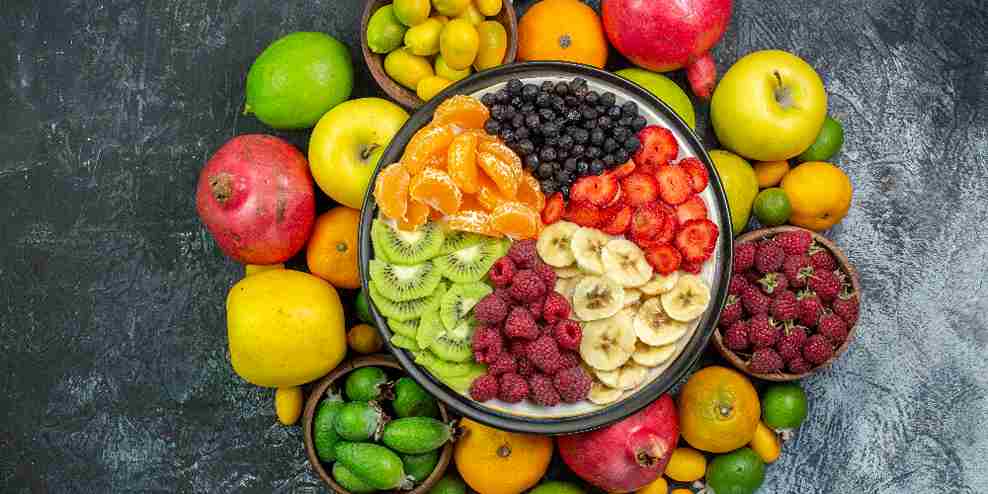
Many fruits also contain powerful polyphenols that protect skin cells from oxidative damage caused by UV radiation and pollution. Combined with their natural water content, fruits support both antioxidant defense and hydration, making them indispensable healthy foods for your skin.
How colorful fruits support skin health:
- Stimulate collagen production through vitamin C
- Neutralize free radicals from UV exposure and pollution
- Slow collagen and elastin breakdown
- Improve skin brightness and even tone
- Support faster wound healing and repair
Best foods in this category: Blueberries, strawberries, oranges, kiwi, pomegranate, papaya, guava
Regular intake helps maintain firm, resilient, and youthful‑looking skin.
Related Post: 7 Best Fruits for Skin Health
Nuts and Seeds
Nuts and seeds are concentrated foods that supply vitamin E, zinc, selenium, magnesium, and essential fatty acids for skin health. Vitamin E is a fat‑soluble antioxidant that protects skin lipids and cell membranes from oxidative damage, particularly damage caused by UV exposure and pollution.
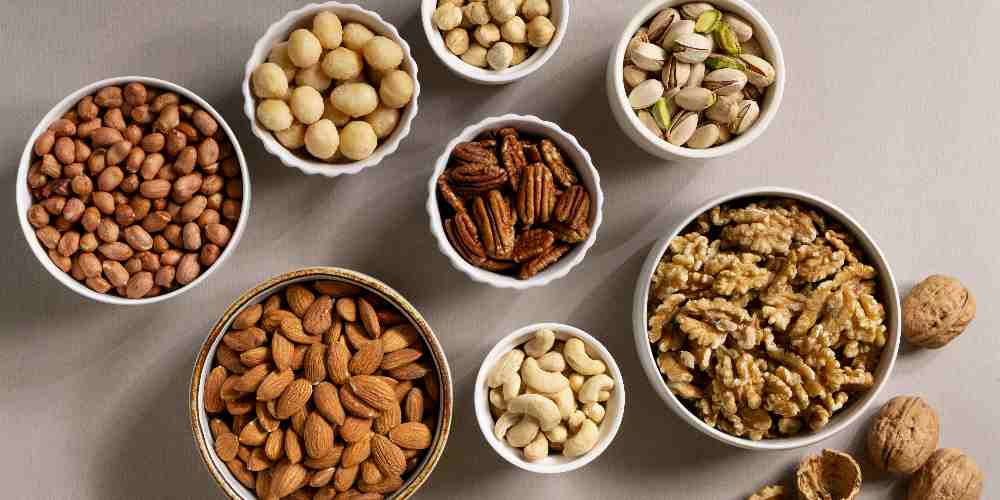
Zinc, commonly found in pumpkin and sunflower seeds, plays a critical role in regulating oil production, supporting immune function in the skin, and accelerating wound healing. Nuts and seeds also provide beneficial fatty acids that maintain the integrity of the skin barrier. Together, these nutrients support skin repair, making nuts and seeds powerful foods for healthy skin.
How nuts and seeds support skin health:
- Protect skin lipids from oxidative damage
- Regulate oil production and reduce acne severity
- Accelerate wound healing and repair
- Strengthen immune defense within the skin
- Improve barrier integrity and smoothness
Best foods in this category: Almonds, walnuts, sunflower seeds, pumpkin seeds, flaxseeds, chia seeds
They are especially beneficial for acne‑prone and sensitive skin.
Also Read: The Incredible Benefits of Walnuts for Skin
Fermented Foods
Fermented foods are quite unique foods for healthy skin because they contain live beneficial bacteria, organic acids, and bioactive compounds that support gut health. A balanced gut microbiome plays a major role in regulating inflammation, immune responses, and nutrient absorption, all of which directly influence skin condition.

These foods also improve the bioavailability of minerals such as zinc and magnesium, making them easier for the body to absorb. By strengthening the gut barrier and reducing systemic inflammation, fermented foods help prevent inflammatory signals from manifesting on the skin. This explains their effectiveness in long‑standing inflammatory skin conditions.
How fermented foods support skin health:
- Balance the gut microbiome linked to acne and eczema
- Reduce systemic and skin inflammation
- Improve skin hydration and barrier function
- Decrease sensitivity and flare‑ups
- Support immune regulation affecting the skin
Best foods in this category: Yogurt, kefir, kimchi, sauerkraut, miso, tempeh
They are particularly helpful for stubborn, recurring skin issues.
Whole Grains and Low-Glycemic Carbohydrates
Whole grains are often overlooked foods for healthy skin, yet they provide complex carbohydrates, dietary fiber, B‑vitamins, and minerals such as magnesium. Unlike refined carbohydrates, whole grains digest slowly, helping maintain stable blood sugar and insulin levels.
B‑vitamins found in whole grains support cellular energy production, DNA repair, and proper skin cell renewal. Fiber also supports gut health by nourishing beneficial bacteria, indirectly improving skin clarity. These combined effects make whole grains an important foundation for balanced, healthy skin.
How whole grains support skin health:
- Stabilize blood sugar and reduce insulin spikes
- Lower acne‑triggering sebum production
- Provide B‑vitamins for skin cell energy and repair
- Support even skin texture and clarity
Best foods in this category: Oats, quinoa, brown rice, barley, buckwheat, millet
They promote clearer and more balanced skin over time.
Also Read: Top 5 Foods That Boost Collagen Production
Hydrating Foods
Hydrating foods are helpful for healthy skin because of their high water content combined with vitamins, minerals, and antioxidants. Skin hydration depends not only on water intake but also on electrolytes and plant compounds that help retain moisture within skin cells.
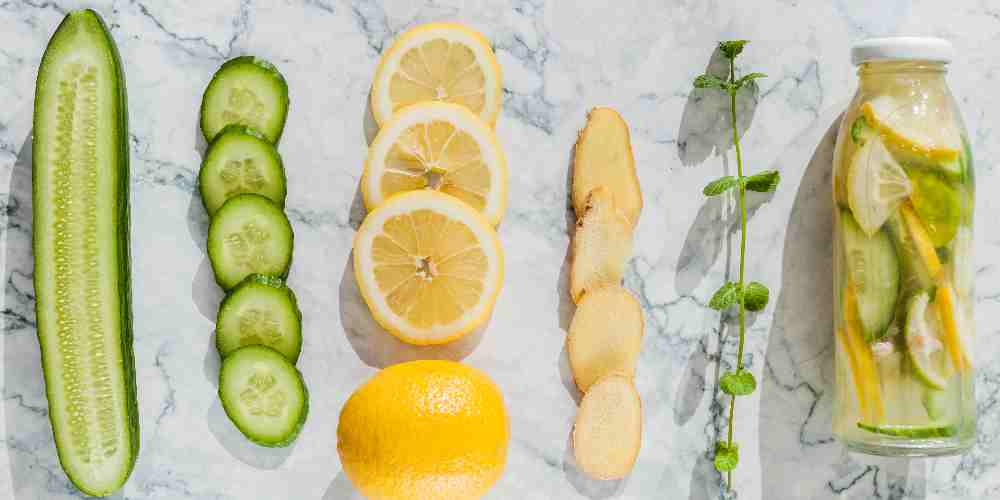
Many hydrating fruits and vegetables also provide vitamin C, potassium, and silica, nutrients that support collagen synthesis and skin elasticity. Proper hydration improves nutrient transport and detoxification, resulting in smoother and more resilient skin.
How hydrating foods support skin health:
- Improve skin plumpness and elasticity
- Enhance nutrient delivery to skin cells
- Reduce dryness, tightness, and flakiness
- Support detoxification pathways
Best foods in this category: Cucumber, watermelon, oranges, strawberries, lettuce, zucchini, celery
They complement water intake for optimal skin hydration.
Herbs, Spices and Polyphenol-Dense Additions
Herbs and spices are concentrated foods that contain polyphenols, essential oils, and anti‑inflammatory compounds, which are vital for healthy skin. Turmeric provides curcumin, ginger contains gingerols, and green tea supplies catechins, all of which help reduce oxidative stress at the cellular level.
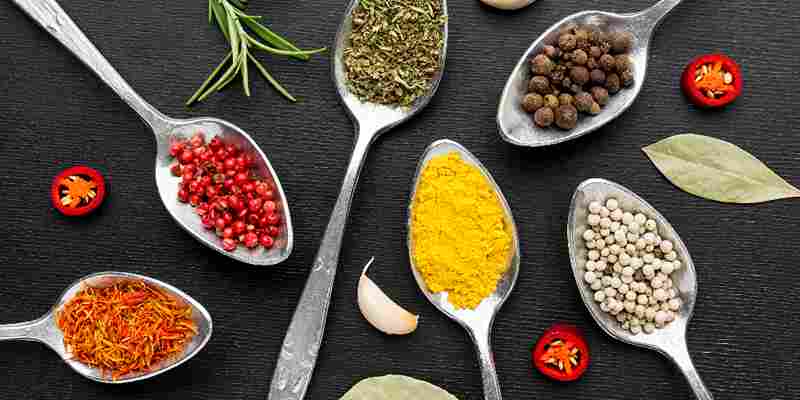
These compounds protect collagen from degradation, improve microcirculation to the skin, and reduce redness and irritation. Although consumed in small amounts, their consistent use significantly enhances the skin’s ability to repair and maintain balance.
How herbs and spices support skin health:
- Reduce oxidative stress and inflammation
- Protect collagen from degradation
- Improve blood circulation to the skin
- Reduce redness and uneven tone
Best foods in this category: Turmeric, ginger, green tea, rosemary, oregano, cinnamon
When used consistently, they enhance the skin’s ability to repair and glow naturally.
How These Foods Work at Cellular Level
Skin cells are constantly renewing, repairing DNA damage, and responding to environmental stress. Nutrients from healthy foods for your skin stabilize cell membranes, regulate inflammatory signaling pathways, protect mitochondria, and support collagen synthesis.
This is why consistent dietary changes often produce visible improvements even without changing skincare products.
Foods Vs Supplements
Whole foods remain superior to supplements because they deliver nutrients in balanced, synergistic forms that the body recognizes and absorbs efficiently.
While supplements may help correct deficiencies, relying on real foods for healthy skin provides long‑term benefits without disrupting natural nutrient balance.
How Long Does it Take to See Changes?
Skin responds gradually to dietary changes. Improved hydration and glow often appear within a few weeks, while reductions in acne, inflammation, and uneven texture typically require several skin cycles.
Consistency with healthy foods for your skin is the key factor that determines results.
Who Benefits Most From Skin-Friendly Foods?
Individuals with acne‑prone, sensitive, aging, or chronically dry skin often experience the most noticeable improvements. Hormonal fluctuations, stress, and environmental damage all increase nutrient demand, making diet even more critical for maintaining skin health.
Also Read: How to Get Clear Skin? 20 Tips That Include Everything
Final Takeaway
Healthy skin is not built through restriction or trends, it’s built through nourishment. Focus on whole, nutrient‑dense foods for healthy skin, support your gut daily, minimize inflammatory triggers, and give your body time to respond.
Start with one meal at a time. Your skin will follow.