
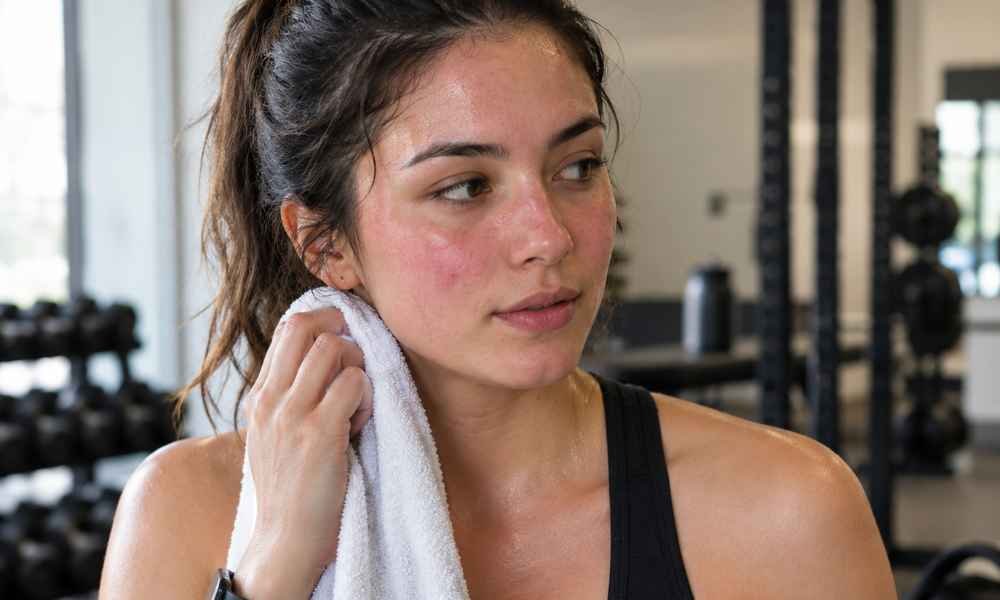
You just crushed your workout. Your heart is pounding, your muscles feel alive, and you have that flushed, energized glow. Then you pass a mirror and see it: red cheeks, a shiny forehead, and a suspicious bump near your chin that wasn’t there this morning.
Sound familiar?
Here’s the truth most fitness advice skips: the gym does wonders for your body, but what you do in the 30 minutes after your workout can decide whether your skin thrives or struggles.
We spend hours perfecting our training plans and about ten seconds on our faces, usually a quick splash of water, a rub with a gym towel, and out the door.
The World Health Organization recommends that adults get at least 150 minutes of moderate physical activity every week. That’s about two and a half hours of sweating, friction, and heat. If your skin faces sweat, bacteria, and sun that often, it deserves a plan.
That plan is post-workout skincare. In this guide, you’ll learn why the gym can be tough on your skin, which mistakes to avoid, and exactly what to do, one detailed step at a time, so your skin stays clear, calm, and healthy. Each step ends with a simple action you can try at your next session.
Why Your Skin Needs Special Care After a Workout
Exercise is great for your skin in the long run. It boosts blood flow, which helps deliver oxygen and nutrients to skin cells.
Researchers at McMaster University in Canada also found that older adults who exercised regularly had skin that looked more like the skin of much younger people than that of their inactive peers. So working out is not the problem.
The problem is what happens on your skin during and right after exercise.
1. Sweat, oil, and dirt mix together. Sweat is about 99% water, with small amounts of salt and other substances. On its own, sweat doesn’t cause acne. But when it mixes with your natural skin oil, dead skin cells, dirt, and leftover skincare or makeup, it can create a layer that clogs pores. Your body has roughly 2 to 4 million sweat glands, and many of them work overtime when you train.
2. Heat and friction cause “acne mechanica.” Dermatologists use this term for breakouts caused by heat, pressure, and rubbing. Think of a helmet strap, a tight sports bra, a backpack, a headband, or a yoga mat against your face. The American Academy of Dermatology (AAD) lists these as common triggers for breakouts in people who exercise.
3. Gym surfaces carry germs. Mats, benches, and shared equipment can hold bacteria such as Staphylococcus. The CDC has noted that skin infections can spread among athletes who share equipment and don’t shower afterward. Touching gym equipment and then your face is a fast way to transfer germs to your skin. One study from Australia found that people touch their faces about 23 times per hour without noticing.
4. Your skin barrier takes a hit. Your skin barrier is the outer layer that keeps moisture in and irritants out. It’s made of skin cells held together by fats such as ceramides, which make up about half of the barrier’s fatty material. Sweat that dries on skin, hot showers, and harsh scrubbing can weaken that barrier, leading to dryness, redness, and stinging.
5. Sun exposure adds up. If you run, cycle, or train outdoors, you’re exposed to UV rays. The Skin Cancer Foundation says up to 80% of the sun’s UV rays can pass through clouds, so a gray day doesn’t mean safe skin. And the Foundation also notes that 1 in 5 Americans will develop skin cancer by age 70.
6. Sweat can trigger some skin conditions. For people with eczema, sweat is a known trigger for itching and flare-ups. If that’s you, a smart gym skincare routine matters even more.
Think about your last workout. Where did your skin feel worst afterward: cheeks, forehead, chest, back? Write it down. You’ll use it to customize your routine later.
6 Common Gym Skincare Mistakes (and How to Fix Them)
Before we build the perfect routine, let’s clear out habits that quietly hurt your skin.
Mistake 1: Waiting too long to wash. The longer sweat and oil sit on your skin, the more time they have to clog pores. Many dermatologists recommend washing up as soon as you can after a workout. A good target is within 30 minutes.
Mistake 2: Wiping your face with your gym towel. That towel has been on benches, machines, and your neck. Rubbing it across your face spreads bacteria and irritates your skin. Use a clean, small towel just for your face, and pat instead of rubbing.
Mistake 3: Working out with a full face of makeup. Foundation and concealer mix with sweat and can clog pores. If you can, go bare or use a light, oil-free product.
Mistake 4: Using harsh scrubs or hot water after training. Your skin is already warm, flushed, and a little sensitive after exercise. Adding a gritty scrub or steaming hot water can make redness and dryness worse.
Mistake 5: Skipping moisturizer because your skin feels oily. Sweaty skin isn’t the same as hydrated skin. When you skip moisturizer, your skin can produce even more oil to make up for the dryness.
Mistake 6: Sitting in sweaty clothes. Wet, tight clothes trap heat and bacteria against your skin, especially on your back, chest, and shoulders. The AAD advises changing out of sweaty clothes promptly. Your action step: Pick just ONE mistake from this list that you make most often and fix it this week. Small changes add up.
Before You Leave the Gym: The Quick Reset
You don’t have to do your whole gym skincare routine in a locker room. But three quick moves can protect your skin until you get home:
Wash your hands before you touch your face for any reason.
Gently pat sweat off your face with a clean towel or a fresh cotton pad. Don’t rub.
Change your shirt and any sweaty headband, cap, or hair tie.
If you can’t shower or wash your face right away, a fragrance-free cleansing wipe or micellar water on a cotton pad is a decent short-term option. Just remember: wipes are a bridge, not a replacement for a proper wash.
Add a small zip bag to your gym bag with a clean face towel and a pack of gentle wipes. Then you’re ready every time.
The Best Post-Workout Skincare Routine: 8 Simple Steps
The Best Post-Workout Skincare Routine: 8 Simple Steps
This is the heart of the guide. Whether you’re a daily gym-goer or just starting out, this post-workout skincare routine works as a simple template. It takes about 5 to 10 minutes.
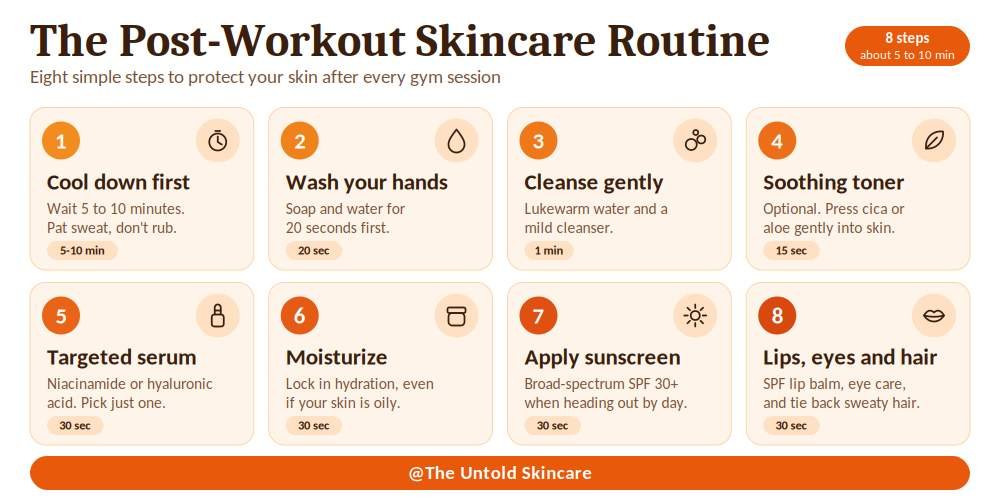
Step 1: Cool Down First
Right after exercise, your skin is hot, and your blood vessels are widened, which is why your face looks red. Skincare products applied at this moment can sting or feel irritating.
How to do it:
- Give your body 5 to 10 minutes to cool down before starting your routine.
- Drink water, stretch, and let your heart rate settle.
- Pat your face with a clean towel. Don’t rub.
- Skip touching your face during this window.
Why it matters: Cooling down helps redness fade naturally, so you can see what your skin actually needs.
Step 2: Wash Your Hands
This sounds basic, but it’s the step people skip most. Your hands touch weights, machines, phones, and door handles. Before you go near your face, wash them with soap and water for at least 20 seconds.
How to do it:
- Use warm water and soap.
- Scrub between your fingers and under your nails.
- Dry with a clean towel.
Your action step: Make it automatic. Wash your hands the moment you finish your last set, before you grab your phone.
Step 3: Cleanse Your Face Gently
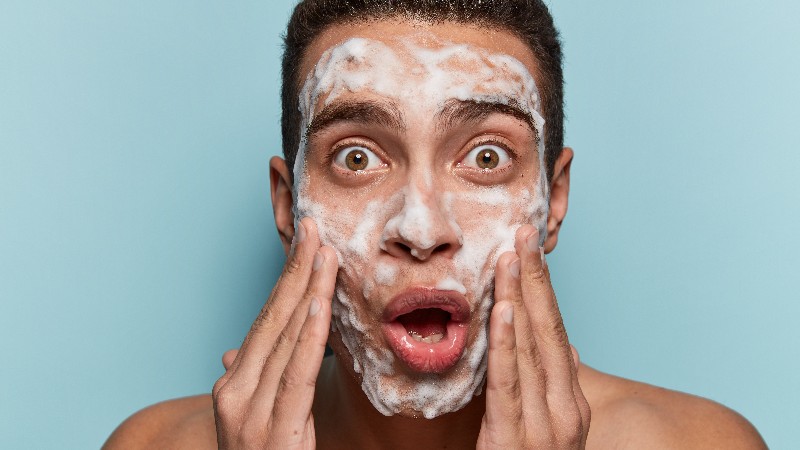
This is the most important step in your after-gym skincare. Cleansing removes sweat, oil, and bacteria before they can clog your pores.
How to do it:
- Rinse your face with lukewarm water. Hot water can strip natural oils.
- Take a coin-sized amount of gentle cleanser.
- Massage it onto your face with your fingertips in small circles for about 30 to 60 seconds. Don’t forget your hairline, jawline, and sides of your nose, where sweat and oil collect.
- Rinse well with lukewarm water.
- Pat dry with a clean towel.
What to look for in a cleanser:
- Gel or foaming cleansers if your skin is oily or acne-prone.
- Cream or milky cleansers if your skin is dry or sensitive.
- Labels like “fragrance-free,” “non-comedogenic” (won’t clog pores), and “pH-balanced.”
- Skin’s natural pH is slightly acidic, and gentle, balanced cleansers help protect that.
What to avoid: Harsh scrubs, strong alcohol-based cleansers, and washing more than twice a day (unless you’re sweating). Over-cleansing is one of the top reasons skin becomes tight, red, and flaky.
Cleanser with salicylic acid? If you’re prone to breakouts, a cleanser with 0.5% to 2% salicylic acid can help unclog pores. Use it a few times a week at first to see how your skin reacts.
Your action step: Check your current cleanser’s label. If it contains strong fragrance or scrubbing beads and your skin feels tight afterward, swap it for a gentle one this month.
Related Post: How to Wash Your Face Properly?
Step 4: Apply a Soothing Toner (Optional)
Toners aren’t required, but a good one can calm skin and add a light layer of hydration after a sweaty session.
How to do it:
- Pour a small amount onto your palms, or onto a cotton pad.
- Press it gently into your skin. Don’t rub.
Ingredients that work well after exercise:
- Centella asiatica (cica): known for calming red, irritated skin.
- Green tea: has antioxidants and soothing properties.
- Glycerin and hyaluronic acid: draw water into the skin. Hyaluronic acid is often said to hold up to 1,000 times its weight in water.
- Aloe vera: cooling and light.
What to skip: Toners with alcohol or strong fragrance, which can irritate warm skin.
Your action step: No toner? No problem. Skip this step for now and move on. If you want to try one, pick a mini size first to test your skin’s reaction.
Step 5: Use a Targeted Serum
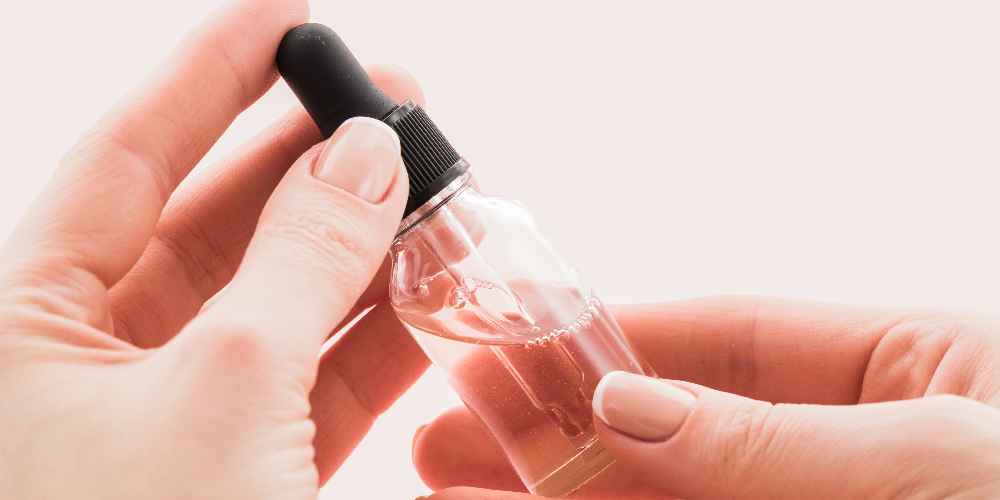
Serums deliver active ingredients straight into your skin. After a workout, your skin is freshly cleansed and ready to absorb them. Choose one based on your main concern instead of layering many products.
Best picks for post-workout skincare:
- Niacinamide (vitamin B3): Studies using 2% to 5% niacinamide have shown it can reduce oil production and support the skin barrier. It’s a great all-rounder for gym-goers, especially if you get oily or red.
- Hyaluronic acid: Adds water to the skin. Apply it on slightly damp skin so it has moisture to hold on to.
- Salicylic acid (BHA): Helps clear pores if you get gym breakouts. Best for oily or acne-prone skin.
- Centella or panthenol (vitamin B5): Calming and repairing. Great for sensitive or flushed skin.
What to save for later: Strong actives like retinol, glycolic acid, or high-strength vitamin C can be irritating right after intense exercise, when your skin is warm and sensitive. Use them in your evening routine or on rest days instead.
How to apply:
- Use 2 to 3 drops.
- Press it into your face and neck with clean fingertips.
- Wait about 30 to 60 seconds before the next step.
Your action step: Choose ONE serum that matches your biggest gym skin problem (oiliness, redness, or breakouts) and use it after your next three workouts. Track how your skin feels.
Related Post: 5 Best Skincare Ingredients of All Time
Step 6: Moisturize
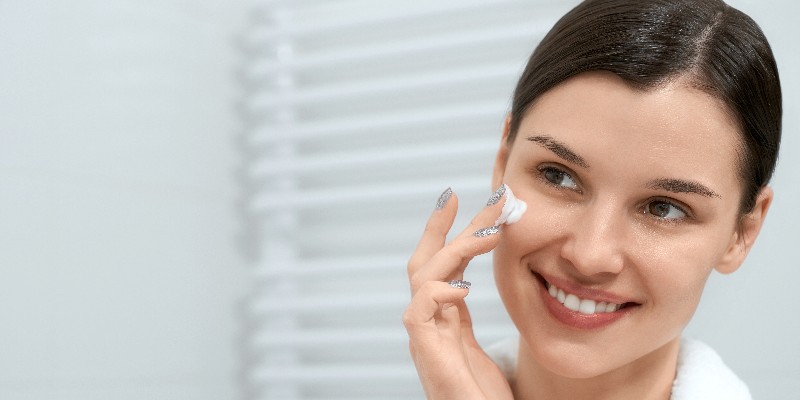
Yes, even if you’re oily. Moisturizer locks in hydration and helps rebuild your skin barrier after sweating and washing.
How to do it:
- Use a dime-sized amount for your face and a bit more for your neck.
- Apply while your skin is still slightly damp from your serum or toner.
- Press it in with your palms, then smooth it out.
Choosing the right type:
- Oily skin: Lightweight gel or gel-cream, labeled “oil-free” or “non-comedogenic.”
- Dry skin: Richer cream with ceramides, glycerin, or shea butter.
- Sensitive skin: Fragrance-free formulas with ceramides or colloidal oatmeal.
- Combination skin: A light lotion, applying a little more to dry areas.
Your action step: Put a small travel-size moisturizer in your gym bag. It makes skipping this step almost impossible.
Related Post: 5 Best Moisturizers for Oily Skin
Step 7: Apply Sunscreen (If You’re Heading Out in the Day)
If you’re leaving the gym during daylight, sunscreen is non-negotiable. This is the step that protects your skin long-term, not just today.
How to do it:
- Choose a broad-spectrum SPF 30 or higher sunscreen. The AAD recommends this as the minimum.
- Use about a quarter to half a teaspoon for your face and neck.
- Apply it as the last step of your routine.
- If you train outdoors, look for a water-resistant formula. In the U.S., the label must tell you if it lasts 40 or 80 minutes when sweating or swimming, and you need to reapply after that time.
Tips for gym-goers:
- Gel or fluid sunscreens feel lighter on the skin and are less likely to feel greasy.
- Mineral sunscreens (zinc oxide or titanium dioxide) are often gentler if your skin turns red or stings easily.
- Sunscreen sticks are handy for touch-ups on your nose, cheeks, and ears.
Your action step: Keep a sunscreen in your gym bag or car. If it’s daytime, make it the last thing you do before you walk out the door.
Also Read: 7 Best Sunscreens for Oily Acne-Prone Skin
Step 8: Don’t Forget Your Lips, Eyes and Hair (Extra Care)
Small details make a big difference.
Lips: Sweating and drinking water don’t stop your lips from drying out. Apply a lip balm with SPF 15 or higher.
Eyes: The skin around your eyes is thin. If it feels dry after a workout, dab on a light eye cream or a bit of your moisturizer.
Hair: Sweaty hair can transfer oil and bacteria to your forehead and cheeks. Tie hair back during workouts, and wash sweaty headbands and caps often. Avoid heavy hair oils or gels near your hairline, since they can cause forehead breakouts.
Your action step: Toss a lip balm with SPF into your gym bag today and set a reminder to wash your headbands after every use.
Short on time? The 3-step minimum is: cleanse, moisturize, sunscreen. That alone will put you ahead of most people.
If you have eczema, rosacea, or another skin condition, talk with a dermatologist about your workout routine. Heat and sweat are common triggers, and personalized advice is worth it.
Body Care: Chest, Back and Shoulders
Your face isn’t the only part of you that sweats. Many people get “bacne” (body acne) on their back, chest, and shoulders, especially from tight gym clothes and sweaty backpacks.
Try this:
- Shower soon after your workout. The AAD recommends showering as soon as possible after sweating.
- Keep it lukewarm and short. Aim for 5 to 10 minutes. Hot water dries out skin.
- Use a gentle body wash. If you’re prone to body breakouts, one with salicylic acid or benzoyl peroxide can help. Benzoyl peroxide can bleach fabric, so use white towels.
- Don’t scrub hard. A soft washcloth or your hands are enough.
- Moisturize your body while your skin is still damp.
- Wear breathable, moisture-wicking fabrics and wash workout clothes after every use.
Your action step: Put a fresh set of clothes in your gym bag. Changing right after your workout is one of the easiest ways to reduce body breakouts.
Also Read: How to Get Clear Skin? 20 Tips That Include Everything
Frequently Asked Questions:
1. Should I wash my face before or after a workout?
Both are helpful, but after is the most important. Before a workout, remove makeup and heavy products so they don’t clog your pores. After, cleanse to remove sweat, oil, and bacteria.
2. How soon after the gym should I wash my face?
As soon as you reasonably can, ideally within 30 minutes. If you can’t, use a gentle wipe as a temporary fix.
3. Does sweating clean out your pores?
It’s a common myth. Sweating doesn’t “detox” or deeply clean pores. In fact, sweat mixing with oil and dirt can clog them if you don’t wash it away.
4. Does working out cause acne?
Not directly. But heat, friction, sweat, dirty equipment, and skipping a cleanse afterward can trigger breakouts, especially if you’re already acne-prone.
5. Can I just use my body wash on my face?
It’s best not to. Body washes are often harsher and can dry out or irritate the thinner skin on your face.
6. Do I need sunscreen for indoor gym workouts?
Indoor gyms expose you to very little UV. But if you’re walking or driving to the gym in daylight, apply sunscreen beforehand. Daily SPF is a good habit for skin health.
7. Are face wipes okay after the gym?
They’re fine as a quick fix when you can’t wash properly. Choose fragrance-free ones, and do a full cleanse when you get home.
8. What if my face stays red after exercise?
Some redness is normal and usually fades within an hour or so. If it lasts much longer, burns, or happens often, see a dermatologist. It could be a sign of rosacea or another condition.
References:
The Effects of Physical Activity on Skin Health: A Narrative Review